
Insights & Stories
Case studies, process notes, and updates from the people actually doing the work — not generic filler.
This is where we write about the work itself — how a project actually gets scoped, why a dashboard quietly gets abandoned, what teams tell us after an engagement ends. No filler, no recycled listicles — just the process, the decisions, and the occasional honest tradeoff, written by the people doing the work across customer support, design, AI, internal systems, and operations.
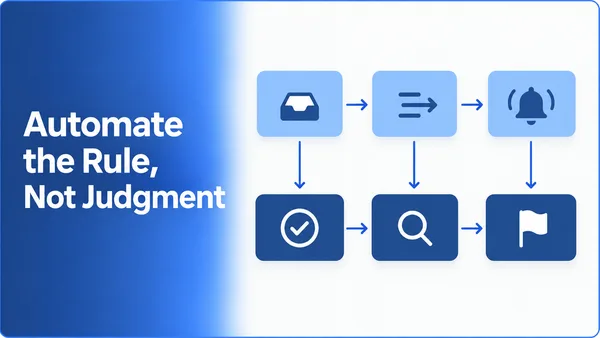
Technology
Where We Automate Manual Work — and Where We Deliberately Don't
Most teams don't lack automation ideas; they lack a way to choose between them. Here's how we decide which manual tasks to automate, and the handful of places we deliberately keep a person in the loop.
6 min read

Company Updates
What Changed After We Hit 200+ Reviews
Crossing 200+ reviews wasn't just a milestone worth sharing — it changed how we handle feedback internally. Here's what we did differently afterward, and why.
5 min read

Technology
How We Design Shift Handoffs So Nothing Gets Dropped
The costliest support failures often happen in the handoff between shifts, not during either shift itself. Here's how we design scheduling and handoff processes to close that gap.
6 min read
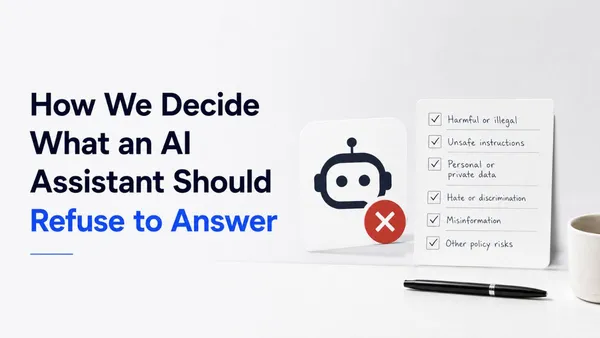
Technology
How We Decide What an AI Assistant Should Refuse to Answer
An AI assistant that answers everything confidently is more dangerous than one that says "I don't know." Here's how we define the boundaries of what it should and shouldn't attempt to answer.
8 min read

Technology
How We Know an AI Assistant Is Ready to Launch
An AI assistant that answers confidently when it shouldn't is a harder failure than one that says it doesn't know. Here's the pre-launch test that has to pass before any assistant we build goes live, and what happens when it doesn't.
6 min read
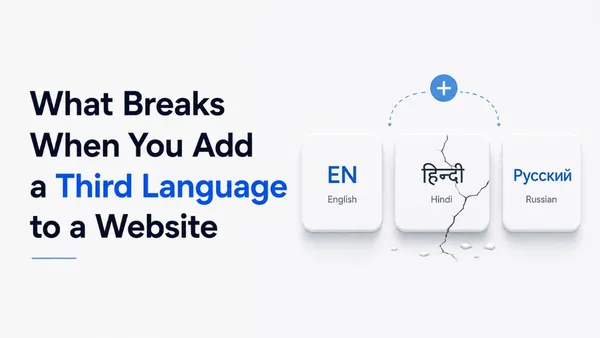
Technology
What Breaks When You Add a Third Language to a Website
A walkthrough of what typically goes wrong the first time a website expands past two languages — and the structural decisions that prevent it from happening again.
8 min read
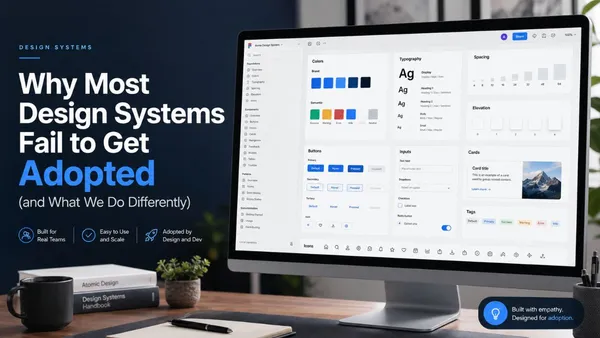
Technology
Why Most Design Systems Fail to Get Adopted (and What We Do Differently)
A design system launches to real excitement, gets used carefully on the first project, and then quietly stops being followed. Here's the pattern we see repeatedly, and what we build differently to avoid it.
8 min read
Technology
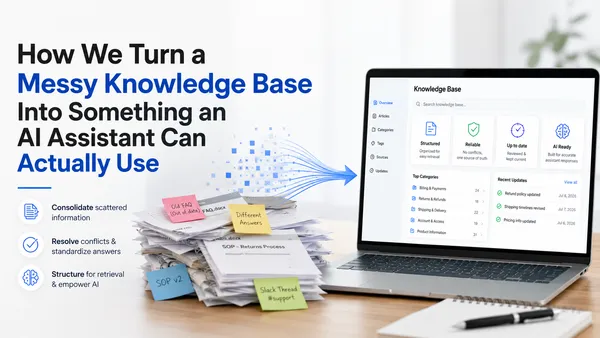
How We Turn a Messy Knowledge Base Into Something an AI Assistant Can Actually Use
Most companies already have the answers an AI assistant needs — scattered across old FAQs, SOPs, and support transcripts. Here's how we consolidate that into something an assistant can actually draw accurate answers from.
8 min read

Technology
What to Track When Measuring Support Quality (and What to Ignore)
Most support quality dashboards are full of numbers that are easy to measure and don't mean much. Here's the small set of metrics we actually trust, and the popular ones we deliberately leave out.
8 min read

Technology
How We Design Support Workflows That Survive Staff Turnover
Most support workflows fall apart the moment a key person leaves — not because the process was wrong, but because it only existed in someone's head. Here's how we design around that from the start.
9 min read
Client Success Stories
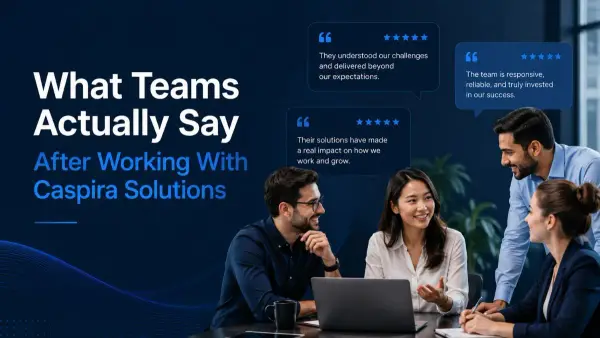
What Teams Actually Say After Working With Caspira Solutions
Real feedback from the operations, support, and product teams we've worked with, grouped by what they were actually trying to fix — in their own words.
7 min read
Company Updates
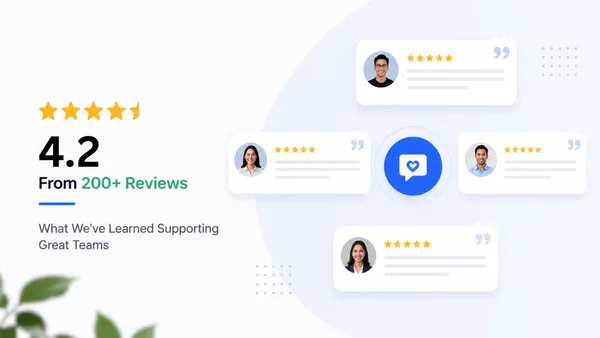
4.2 From 200+ Reviews: What We've Learned Along the Way
A look at what's behind the numbers on our homepage — including the reviews that weren't perfect — and the patterns we've noticed working with teams across industries.
7 min read
Office Life
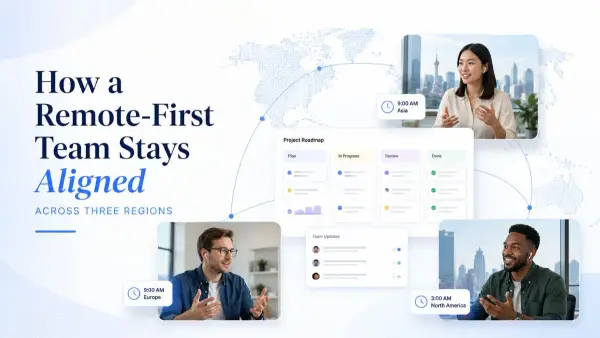
How a Remote-First Team Stays Aligned Across Three Regions
We've never had a central office, and we don't think we need one. Here's how a team spread across Asia-Pacific, Europe, and the Middle East actually stays in sync.
7 min read

Technology
What It Looks Like to Unify Live Chat, Email, and Messaging Support
A walkthrough of how we typically bring live chat, email, and messaging platforms into a single support workflow — and the decisions that matter most along the way.
8 min read
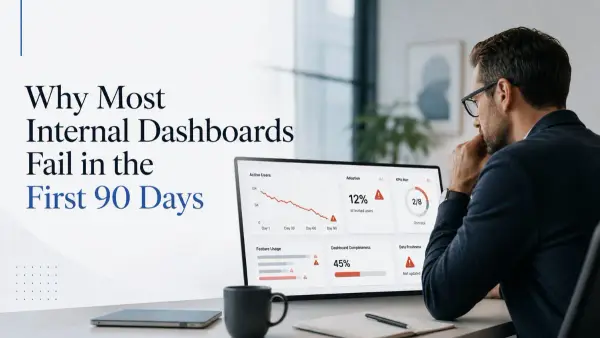
Technology
Why Most Internal Dashboards Fail in the First 90 Days
A dashboard nobody opens after week one isn't a tooling problem — it's usually a sign the wrong questions got answered. Here's what we see go wrong.
8 min read
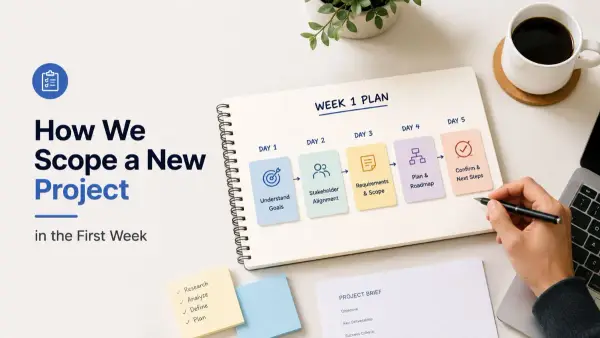
Team Culture
How We Scope a New Project in the First Week
Before any design or development starts, we spend the first week mapping how a team actually works today. Here's what that week looks like.
8 min read
Have a similar problem?
Let's talk about what's actually going on
If any of this sounds familiar, we're happy to hear the details and tell you honestly whether it's something we can help with.